MLB Playoffs Schedule: A Complete Guide to Baseball’s Most Intense Postseason
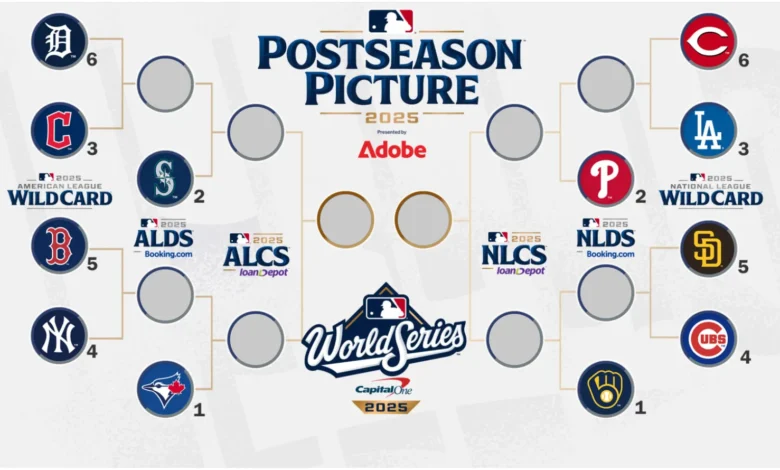
The MLB playoffs schedule represents the climax of the Major League Baseball season, where months of competition narrow down to a select group of teams battling for the World Series title. Every October, fans across the world closely follow the postseason calendar to track when their favorite teams will play, how the playoff rounds are structured, and what it takes to advance. Understanding the MLB playoffs schedule is essential for anyone who wants to fully appreciate the drama, strategy, and endurance required to win baseball’s ultimate prize.
Overview of the MLB Postseason Format
The MLB postseason features twelve teams, six from each league: the American League and the National League. These teams qualify based on winning their divisions or earning Wild Card spots through regular-season performance. The playoffs are organized into multiple rounds, each with its own place in the overall schedule. The format ensures that division winners are rewarded while still allowing strong non-division champions a path to the World Series.
The postseason is designed to balance competitive fairness with fan excitement. Shorter series in the early rounds increase unpredictability, while longer series later on test depth, pitching rotations, and mental toughness.
Wild Card Series Timing and Structure
The MLB playoffs schedule begins with the Wild Card Series. This round features the three division winners with the best records earning byes, while the remaining division winner and three Wild Card teams compete. The Wild Card Series is a best-of-three format, typically played over a very short time frame to maintain momentum from the regular season.
All games in the Wild Card Series are usually hosted by the higher-seeded team, which reduces travel and rewards regular-season success. Because the series is short, every game carries immense importance. A single pitching mistake or defensive error can end a team’s season, making this part of the schedule especially intense.
Division Series Dates and Format
Following the Wild Card round, the MLB playoffs schedule moves into the Division Series. This stage includes eight teams, four from each league. The Division Series is played in a best-of-five format, with games split between the higher and lower seeds.
The schedule for the Division Series often spans about a week, allowing for travel days and pitching rotation adjustments. Teams must carefully plan their starting pitchers and bullpen usage, as the short series leaves little room for recovery. Historically, this round has produced many memorable upsets, as Wild Card teams with momentum often face rested division champions.
League Championship Series Explained
The League Championship Series, often abbreviated as LCS, is the penultimate stage in the MLB playoffs schedule. The winners of the Division Series face off in a best-of-seven series to determine the American League and National League champions.
The LCS typically lasts up to ten days, depending on the number of games played and travel days. This round is where star players often cement their postseason legacies. Managers must balance aggressive strategies with long-term planning, knowing that the World Series is still ahead. The extended format allows talent and depth to shine, reducing the randomness seen in earlier rounds.
World Series Scheduling and Importance
The World Series is the final and most prestigious part of the MLB playoffs schedule. It features the champions of the American League and National League competing in a best-of-seven series. Home-field advantage is determined by regular-season record, giving an edge to the team with superior performance over the 162-game season.
The World Series schedule usually stretches across more than a week, including travel days between cities. This allows teams to reset rotations and lineups for maximum performance. The series captures global attention, with each game analyzed in detail by fans, analysts, and media. Winning the World Series is the ultimate goal for every MLB team, and the schedule reflects the significance of the event.
How Rest Days Affect the Playoffs Schedule
Rest days are a critical component of the MLB playoffs schedule. Travel days between cities give players time to recover physically, while also allowing teams to adjust strategies. However, too much rest can disrupt momentum, especially for teams that thrive on consistent play.
Managers must consider how rest impacts pitchers in particular. Extra days off can allow an ace to start more games in a series, potentially shifting the competitive balance. As a result, the scheduling of rest days often becomes a topic of debate among fans and analysts alike.
Television and Broadcasting Considerations
The MLB playoffs schedule is also influenced by television and broadcasting requirements. Game times are carefully selected to maximize viewership across different time zones. This can lead to afternoon games on weekdays and prime-time matchups on weekends.
Broadcast considerations sometimes result in overlapping games or unconventional start times. While this can be challenging for local fans attending in person, it helps grow the sport’s national and international audience.
Weather and Its Impact on the Schedule
October baseball often comes with unpredictable weather, particularly in northern cities. Rain delays and cold temperatures can affect the MLB playoffs schedule, sometimes leading to postponed games or extended series durations.
Teams must adapt quickly to these changes, adjusting travel plans and pitching rotations. Fans also experience the unique atmosphere of postseason baseball played under challenging conditions, adding another layer of drama to the schedule.
Why the MLB Playoffs Schedule Matters to Fans
For fans, the MLB playoffs schedule is more than just a list of dates. It dictates viewing plans, travel arrangements, and emotional investment. Knowing when key games are scheduled helps fans follow storylines, rivalries, and breakout performances.
The schedule also builds anticipation, with each round feeling more significant than the last. From the urgency of the Wild Card Series to the grandeur of the World Series, the progression keeps fans engaged throughout the postseason.
Conclusion
The MLB playoffs schedule is carefully designed to showcase the best of Major League Baseball. Each round serves a specific purpose, balancing fairness, excitement, and endurance. By understanding how the schedule works, fans gain a deeper appreciation for the strategies and challenges teams face on their path to a championship. As the postseason unfolds each year, the schedule becomes the framework for unforgettable moments that define baseball history.