ChessKid: Developing Young Minds Through Chess
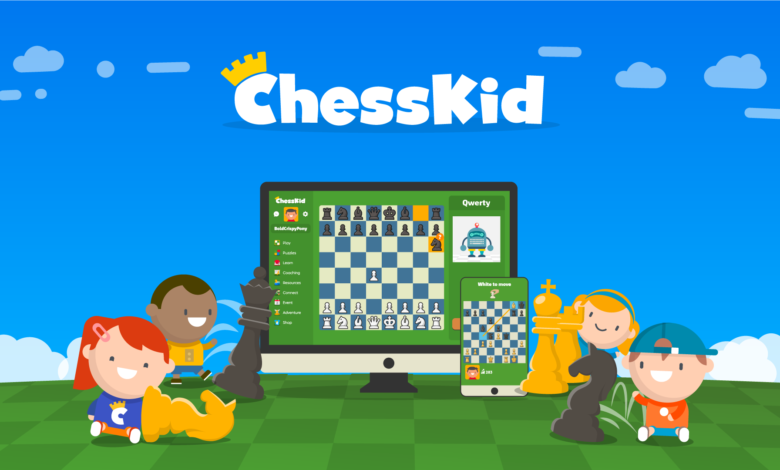
Chess has long been recognized as a powerful tool for developing critical thinking, patience, and strategic awareness. In recent years, digital platforms have transformed how the game is taught and learned, especially for younger players. ChessKid stands out as one of the most influential platforms designed specifically to introduce children to chess in a safe, educational, and engaging environment. By combining structured learning, interactive gameplay, and child-friendly design, ChessKid has become a leading resource for youth chess development worldwide.
What Is ChessKid
ChessKid is an online chess platform created with the primary goal of teaching children how to play and improve at chess. It is part of the larger Chess.com ecosystem but operates independently with a focus on safety, education, and age-appropriate content. The platform is used by individual families, schools, and chess coaches to introduce young players to the fundamentals of the game and guide them toward competitive play.
Unlike general chess platforms, ChessKid places strict controls on communication and content, ensuring a secure environment where children can focus on learning without exposure to inappropriate interactions. This emphasis on safety has made ChessKid particularly popular among parents and educators.
Educational Approach and Learning Structure
One of the defining features of ChessKid is its structured learning system. Lessons are organized into levels, allowing children to progress at their own pace. These lessons cover everything from basic rules and piece movement to more advanced concepts such as tactics, checkmate patterns, and positional play.
The platform uses animated videos, interactive puzzles, and quizzes to reinforce learning. This approach helps maintain attention and ensures that complex ideas are presented in a simple, understandable way. By rewarding progress with badges and achievements, ChessKid encourages consistency and motivation, which are essential for long-term skill development.
Chess as a Tool for Cognitive Development
ChessKid promotes chess not only as a game but also as a tool for mental development. Numerous studies have linked chess training with improvements in problem-solving skills, memory, concentration, and logical reasoning. For children, these cognitive benefits often translate into better academic performance and improved decision-making abilities.
Through regular gameplay and puzzles, ChessKid helps young players develop pattern recognition and strategic thinking. These skills are particularly valuable in competitive sports and academic environments, where planning and adaptability play a critical role in success.
Gameplay and Practice Features
ChessKid offers several gameplay modes designed to support learning and competition. Children can play against computer bots that are tailored to different skill levels, ensuring a balanced and frustration-free experience. These bots are designed to make realistic mistakes, helping players learn how to capitalize on opportunities.
In addition to playing against bots, users can participate in live games against other children within the platform. Matchmaking is based on rating, which helps ensure fair competition. After each game, players can review their moves using simplified analysis tools that highlight mistakes and suggest improvements in an age-appropriate manner.
Role of ChessKid in Youth Competition
While ChessKid is primarily an educational platform, it also serves as a stepping stone into competitive chess. Many young players use ChessKid to prepare for school tournaments, local club events, and online competitions. The platform regularly hosts kid-friendly tournaments that introduce children to competitive formats in a supportive setting.
These tournaments help young players develop sportsmanship, time management, and resilience. Losing games is presented as a learning opportunity rather than a failure, reinforcing a healthy competitive mindset. For many children, ChessKid becomes the foundation upon which their competitive chess journey is built.
Safety and Parental Controls
Safety is a core principle of ChessKid. Communication features are limited and closely monitored, reducing the risk of inappropriate interactions. Parents and teachers have access to dashboards that allow them to track progress, control communication settings, and customize learning paths.
This level of oversight is particularly important for younger users, as it allows adults to remain involved in the learning process. By creating a controlled digital environment, ChessKid provides peace of mind for parents while allowing children the freedom to explore and enjoy chess.
ChessKid in Schools and Coaching Programs
ChessKid has been widely adopted in schools and chess academies around the world. Teachers and coaches use the platform to manage classrooms, assign lessons, and monitor student progress. The structured curriculum aligns well with educational goals, making it easy to integrate chess into school programs.
For coaches, ChessKid serves as a valuable supplement to in-person training. It allows students to practice between lessons and reinforces concepts introduced during coaching sessions. This blended learning approach has proven effective in accelerating improvement and maintaining student engagement.
Influence on Modern Youth Chess Culture
The rise of ChessKid reflects a broader trend in modern sports education, where digital platforms play an increasingly important role. By making chess accessible and enjoyable for children, ChessKid has contributed to the growing popularity of the game among younger audiences.
Many young players who start on ChessKid eventually transition to more advanced platforms and competitive environments. In this way, ChessKid acts as a gateway, introducing the fundamentals while instilling a love for the game that can last a lifetime.
Challenges and Areas for Growth
Despite its success, ChessKid faces challenges common to educational platforms. Maintaining engagement as children grow older and seek more competitive experiences can be difficult. While the platform is ideal for beginners and intermediate players, advanced users may eventually outgrow its simplified interface.
To address this, ChessKid continues to evolve by adding more advanced lessons and expanding competitive opportunities. Balancing simplicity with depth remains an ongoing challenge, but the platform’s commitment to education suggests continued development.
Future of ChessKid
The future of ChessKid appears promising as interest in youth chess continues to grow globally. With increased recognition of chess as a valuable educational tool, platforms like ChessKid are likely to play an even larger role in schools and training programs.
Technological advancements such as adaptive learning, artificial intelligence-based coaching, and personalized training plans may further enhance the platform’s effectiveness. By continuing to focus on safety, education, and engagement, ChessKid is well positioned to remain a leader in youth chess development.
Conclusion
ChessKid has established itself as a cornerstone of modern chess education for children. Through its structured lessons, safe environment, and engaging gameplay, it provides young players with the tools they need to develop both chess skills and valuable life skills. The platform’s emphasis on learning, sportsmanship, and cognitive growth sets it apart in the digital chess landscape.
As chess continues to gain popularity among younger generations, ChessKid will remain an important gateway into the game. By nurturing curiosity, discipline, and strategic thinking, it helps shape not only better chess players but also more thoughtful and confident individuals.




2 Comments