Corinthians vs Vasco da Gama: One of Brazil’s Most Historic Football Rivalries
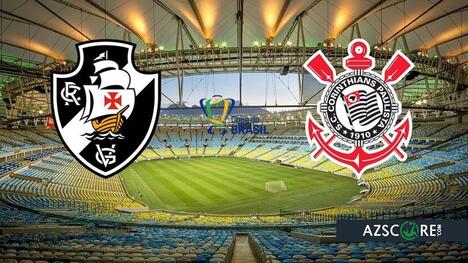
The clash between Corinthians and Vasco da Gama is one of the most traditional and emotionally charged rivalries in Brazilian football. Known for its rich history, passionate fan bases, and intense competition, Corinthians vs Vasco da Gama represents more than just a football match. It is a meeting of two clubs that have shaped the identity of Brazilian football through decades of triumphs, challenges, and unforgettable moments.
Historical Background of Corinthians and Vasco da Gama
Sport Club Corinthians Paulista was founded in 1910 in São Paulo and quickly grew into one of the most popular clubs in Brazil. Known for its strong working-class roots, Corinthians has built a reputation for resilience, loyalty, and a massive nationwide following. Over the years, the club has achieved domestic dominance and international success, including multiple Brazilian league titles and a FIFA Club World Cup victory.
Club de Regatas Vasco da Gama, founded in 1898 in Rio de Janeiro, carries an equally powerful legacy. Vasco is historically recognized for its stand against racial discrimination in Brazilian football during the early 20th century, making it a symbol of inclusion and social progress. On the pitch, Vasco has enjoyed significant success, winning national championships, continental titles, and earning respect as one of Brazil’s most influential clubs.
Origins of the Corinthians vs Vasco da Gama Rivalry
The rivalry between Corinthians and Vasco da Gama developed through frequent high-stakes encounters in national competitions. As representatives of Brazil’s two largest cities, São Paulo and Rio de Janeiro, matches between these clubs naturally attracted attention. Over time, dramatic results, controversial decisions, and title-deciding games intensified the rivalry.
Their meetings in the Brazilian Série A, Copa do Brasil, and other national tournaments have consistently delivered memorable moments. Each match is treated as a statement of supremacy, not only for the clubs but also for their respective regions.
Memorable Matches and Iconic Moments
Several encounters have defined the Corinthians vs Vasco da Gama rivalry. One of the most famous moments came during the 2000 FIFA Club World Championship, when both teams represented Brazil. Their meeting in that tournament showcased Brazilian football at its highest level and highlighted the competitive balance between the two sides.
Domestic league clashes have also produced dramatic finishes, late goals, and heated atmospheres. Whether played at Arena Corinthians in São Paulo or São Januário in Rio de Janeiro, these matches rarely disappoint. The pressure, crowd intensity, and tactical battles often turn Corinthians vs Vasco da Gama into must-watch fixtures.
Tactical Styles and Football Philosophy
Corinthians has traditionally been associated with tactical discipline, strong defensive organization, and efficient counterattacking football. Over the years, the club has adapted to modern trends while maintaining a solid structure that emphasizes teamwork and resilience. Coaches often prioritize balance, ensuring that defensive stability supports attacking creativity.
Vasco da Gama, on the other hand, has historically embraced a more expressive style of play. Known for developing talented attackers and creative midfielders, Vasco often focuses on technical quality and fluid movement. While tactical approaches vary depending on management and squad composition, Vasco’s identity remains rooted in attacking intent and footballing flair.
Legendary Players in Corinthians vs Vasco da Gama Matches
Many legendary players have left their mark on Corinthians vs Vasco da Gama encounters. Corinthians icons such as Sócrates, Marcelinho Carioca, Ronaldo Nazário, and more recently influential leaders have shaped the club’s dominance in key moments. Their performances in big matches reinforced Corinthians’ reputation as a team that thrives under pressure.
Vasco da Gama has produced and hosted some of Brazilian football’s most celebrated talents, including Roberto Dinamite, Romário, Juninho Pernambucano, and Edmundo. These players delivered unforgettable performances against Corinthians, elevating the rivalry with moments of individual brilliance and leadership.
Fan Culture and Matchday Atmosphere
Few rivalries in Brazilian football can match the intensity of Corinthians vs Vasco da Gama in terms of fan engagement. Corinthians supporters, known as one of the largest and most passionate fan bases in the world, create an intimidating atmosphere at home matches. Their chants, banners, and unwavering support play a crucial role in motivating the team.
Vasco da Gama fans are equally devoted, especially at São Januário, one of the most historic stadiums in Brazil. The emotional connection between the club and its supporters adds an extra layer of intensity to every encounter. When these two fan cultures collide, the atmosphere becomes electric, reflecting the deep-rooted significance of the rivalry.
Performance in National Competitions
In Brazilian Série A history, Corinthians has generally enjoyed greater consistency, often competing for titles and maintaining top-tier status. Vasco da Gama, while also successful, has experienced periods of rebuilding and transition. Despite these fluctuations, matches between the two remain highly competitive regardless of league position.
In knockout competitions such as the Copa do Brasil, Corinthians vs Vasco da Gama fixtures carry even higher stakes. Single-elimination formats amplify tension, making tactical discipline and mental strength decisive factors in determining the outcome.
Media Attention and National Significance
Corinthians vs Vasco da Gama receives extensive media coverage across Brazil. Sports networks, analysts, and journalists closely examine team news, tactical matchups, and historical narratives leading up to each clash. The rivalry’s national significance ensures that these matches often dominate headlines, especially when league standings or qualification spots are at stake.
Social media has further amplified the rivalry, with fans engaging in debates, sharing highlights, and reliving historic moments. This digital presence has helped introduce the rivalry to younger generations, ensuring its relevance in modern football culture.
The Future of Corinthians vs Vasco da Gama
The future of the Corinthians vs Vasco da Gama rivalry remains strong. Both clubs continue to invest in youth development, infrastructure, and squad improvement. As Brazilian football evolves, new talents and modern tactical approaches will shape future encounters.
With ongoing reforms in domestic competitions and increasing global exposure, Corinthians and Vasco da Gama are expected to maintain their status as major forces in Brazilian football. Their meetings will continue to represent tradition, pride, and competitive excellence.
Conclusion
Corinthians vs Vasco da Gama is more than just a football match; it is a reflection of Brazil’s footballing heritage. Rooted in history, fueled by passionate supporters, and defined by iconic moments, this rivalry remains one of the most compelling in South American football. As both clubs look toward the future, their clashes will continue to captivate fans and preserve the legacy of Brazilian football at its finest.

2 Comments