Eagles vs Packers: A Classic NFL Rivalry Renewed
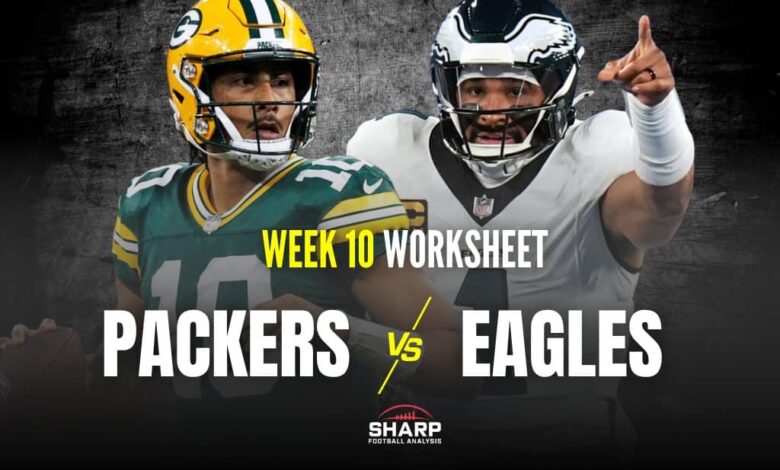
The matchup between the Philadelphia Eagles and the Green Bay Packers is one of the most respected and historically rich contests in the National Football League. Whenever these two franchises meet, fans can expect a high-intensity game built on tradition, tactical football, and elite-level talent. The Eagles vs Packers rivalry is not defined by constant divisional clashes, but by memorable playoff battles, legendary quarterbacks, and contrasting football philosophies that continue to shape the NFL landscape.
Historical Background of Eagles vs Packers
The Eagles and Packers are two of the NFL’s oldest and most successful franchises. The Green Bay Packers, founded in 1919, are synonymous with championship football, boasting multiple Super Bowl titles and a legacy of Hall of Fame players. The Philadelphia Eagles, established in 1933, represent grit, resilience, and a passionate fan base that demands toughness and accountability.
Historically, the Packers have held an edge in the overall head-to-head record, particularly in postseason matchups. One of the most iconic games in NFL history, the 1960 NFL Championship Game, featured these two teams and marked Vince Lombardi’s first title with Green Bay. That game helped define the Packers’ dynasty era, while also cementing the Eagles as formidable competitors on the biggest stage.
Recent Encounters and Modern Context
In recent seasons, Eagles vs Packers games have reflected the evolution of modern NFL football. The Eagles have embraced versatility, athletic quarterbacks, and aggressive defensive schemes, while the Packers have traditionally built their offense around elite quarterback play and disciplined execution.
Recent matchups have been competitive and often closely contested, with both teams capable of controlling the tempo. Whether played at Lincoln Financial Field or Lambeau Field, these games usually feature strong crowd influence and strategic coaching adjustments that determine the outcome in the second half.
Offensive Breakdown: Eagles vs Packers
The Philadelphia Eagles offense is known for its physical approach combined with explosive playmaking. A strong offensive line allows the Eagles to dominate the trenches, opening lanes for the running game and giving the quarterback time to make decisive throws. Their offensive strategy often focuses on balance, using play-action and misdirection to keep defenses guessing.
On the other side, the Green Bay Packers’ offense has long been associated with precision passing and intelligent route combinations. Even as personnel changes occur, the Packers continue to prioritize timing, spacing, and quarterback efficiency. Their ability to stretch the field vertically while maintaining control in the short passing game makes them dangerous against aggressive defenses like Philadelphia’s.
Defensive Strengths and Tactical Battles
Defense has always been a defining factor in Eagles vs Packers games. The Eagles traditionally rely on a powerful defensive front, emphasizing pass rush pressure without excessive blitzing. This approach allows their secondary to focus on coverage discipline and limiting big plays.
The Packers defense, meanwhile, often focuses on adaptability and situational awareness. Their linebackers play a key role in stopping the run and covering tight ends, while the secondary is built to handle elite receivers. When these defenses clash, the game often becomes a chess match between offensive coordinators and defensive play callers.
Coaching Philosophy and Game Management
Coaching plays a significant role in the Eagles vs Packers rivalry. Both franchises are known for hiring forward-thinking coaches who blend traditional football principles with modern analytics. Decision-making on fourth downs, clock management, and red-zone strategy often becomes the difference in tightly contested games.
The Eagles coaching staff typically favors aggressive play-calling, especially in high-leverage situations. The Packers, by contrast, are often praised for their calm, methodical approach, emphasizing mistake-free football and efficiency. These contrasting philosophies make each matchup strategically compelling.
Key Players Who Define the Matchup
Throughout history, Eagles vs Packers games have featured some of the NFL’s most iconic players. From legendary quarterbacks and dominant defensive linemen to elite wide receivers and clutch kickers, individual performances have frequently shaped the outcome.
In modern matchups, quarterbacks remain the focal point, but trench play and skill-position versatility are equally important. Running backs who can contribute in the passing game, tight ends who exploit mismatches, and defensive playmakers who force turnovers often emerge as game-changers in this rivalry.
Lambeau Field vs Lincoln Financial Field
The venue adds another layer of intrigue to Eagles vs Packers games. Lambeau Field, often referred to as the “Frozen Tundra,” presents one of the most challenging environments in sports, particularly in cold-weather games. The Packers thrive on home-field advantage, using weather conditions and crowd energy to disrupt opponents.
Lincoln Financial Field, on the other hand, is known for its intense atmosphere and passionate fans. Visiting teams often struggle with communication and momentum shifts in Philadelphia. When the Eagles host the Packers, physicality and tempo usually define the game’s flow.
Playoff Implications and Stakes
Many Eagles vs Packers matchups carry significant playoff implications. Both teams are frequently contenders in their respective conferences, making head-to-head games crucial for seeding and tiebreakers. Past postseason meetings have added emotional weight to regular-season clashes, as fans and players alike remember previous victories and heartbreaks.
These games often feel like playoff rehearsals, with conservative early strategies giving way to aggressive late-game decisions. Turnovers, special teams execution, and red-zone efficiency typically decide the final score.
Why Eagles vs Packers Remains Must-Watch Football
The enduring appeal of Eagles vs Packers lies in its blend of tradition and modern competition. Both franchises represent different paths to NFL success, yet share a commitment to excellence, strong leadership, and passionate fan support. Each meeting offers a reminder of the league’s rich history while showcasing the evolving strategies of today’s game.
As long as the Eagles and Packers remain competitive forces in the NFL, their matchups will continue to draw national attention. Whether it is a regular-season showdown or a high-stakes playoff battle, Eagles vs Packers is a fixture that embodies the intensity, strategy, and drama that define professional football.