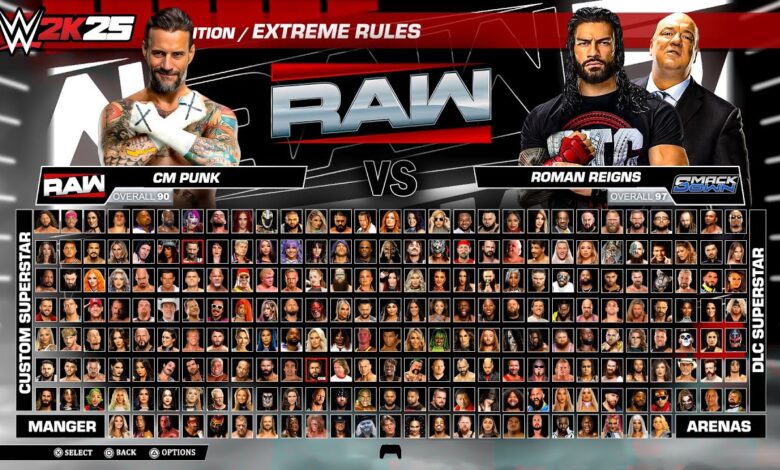
The WWE 2K25 roster is shaping up to be one of the most exciting and expansive lineups in the history of the WWE 2K franchise. Every year, fans eagerly anticipate which Superstars, Legends, NXT stars, and surprise returns will make it into the game. With WWE’s current boom period, fueled by fresh storylines, rising talent, and legendary comebacks, WWE 2K25 is expected to deliver a roster that truly represents the modern WWE Universe.
In this article, we’ll take a deep dive into the confirmed, rumored, and expected WWE 2K25 roster, including Raw, SmackDown, NXT, Legends, DLC possibilities, and what makes this year’s lineup special.
What to Expect from the WWE 2K25 Roster
The WWE 2K series has significantly improved since WWE 2K22, focusing on realism, authenticity, and fan feedback. For WWE 2K25, 2K Sports is expected to continue this trend with:
- A larger base roster
- More accurate Superstar models
- Updated entrance themes and animations
- A stronger focus on current WWE programming
- Better representation of women’s wrestling and NXT talent
Given WWE’s stacked roster in 2024–2025, fans can expect a mix of established megastars, breakout performers, and timeless legends.
Main Roster Superstars (Raw & SmackDown)
The core of the WWE 2K25 roster will feature top stars from Raw and SmackDown. These Superstars are almost guaranteed to be included due to their prominence on television and pay-per-view events.
Expected Male Superstars
- Roman Reigns
- Cody Rhodes
- Seth “Freakin” Rollins
- Drew McIntyre
- Gunther
- Randy Orton
- AJ Styles
- Kevin Owens
- Sami Zayn
- LA Knight
- Jey Uso
- Jimmy Uso
- Bobby Lashley
- The Miz
- Finn Bálor
- Damian Priest
- Dominik Mysterio
Expected Female Superstars
- Rhea Ripley
- Becky Lynch
- Charlotte Flair
- Bianca Belair
- Bayley
- Iyo Sky
- Asuka
- Liv Morgan
- Alexa Bliss
- Naomi
- Nia Jax
- Tiffany Stratton
Women’s wrestling has become a major focus in WWE, and WWE 2K25 is expected to reflect that with more accurate movesets, entrances, and championship representations.
NXT Superstars in WWE 2K25
NXT has consistently produced standout talent, and the WWE 2K25 roster should include a strong selection of NXT Superstars. These additions are especially popular among fans who enjoy career mode and Universe Mode.
Likely NXT Inclusions
- Carmelo Hayes
- Trick Williams
- Bron Breakker
- Ilja Dragunov
- Roxanne Perez
- Cora Jade
- Lyra Valkyria
- Tony D’Angelo
- Joe Gacy
NXT Superstars often bring unique movesets and fresh gameplay styles, making them some of the most fun characters to use.
WWE Legends and Hall of Famers
No WWE game is complete without Legends, and WWE 2K25 is expected to feature a stacked Legends roster. These iconic names add nostalgia and variety to the game.
Expected WWE Legends
- The Undertaker (multiple versions)
- Stone Cold Steve Austin
- The Rock
- John Cena (multiple eras)
- Triple H
- Shawn Michaels
- Bret “Hitman” Hart
- Hulk Hogan
- Ric Flair
- Randy Savage
- Eddie Guerrero
- Rey Mysterio (Legend version)
Legends are especially popular in dream matches, allowing players to pit modern Superstars against all-time greats.
Possible New Additions and Returns
Each new WWE game introduces new faces or returning Superstars who were missing in previous titles. WWE 2K25 could include:
- CM Punk (depending on licensing and timing)
- Andrade
- Braun Strowman
- Kairi Sane
- Jade Cargill
- Dragon Lee
These additions would significantly boost the roster’s appeal and reflect WWE’s evolving landscape.
WWE 2K25 DLC Roster Predictions
DLC packs have become a staple of the WWE 2K series, and WWE 2K25 is expected to offer multiple DLC packs post-launch.
Possible DLC Themes
- Rising Stars Pack
- NXT Future Pack
- Legends Expansion Pack
- Attitude Era Pack
DLC often includes:
- Additional Superstars
- New arenas
- Entrance animations
- Championship belts
This approach allows 2K to keep the game fresh throughout the year.
Roster Accuracy and Presentation Improvements
One of the biggest fan requests is better roster accuracy, and WWE 2K25 is expected to deliver improvements such as:
- Updated ring gear
- More realistic facial scans
- Correct championships and brand assignments
- Enhanced entrance motions
These details play a huge role in immersion, especially for fans who closely follow WWE programming.
Why the WWE 2K25 Roster Matters
The roster is the heart of any WWE game. A strong WWE 2K25 roster means:
- More replay value
- Better Universe Mode storylines
- More dream matches
- Greater realism
With WWE currently enjoying record-breaking popularity, WWE 2K25 has the opportunity to feature one of the most complete and fan-friendly rosters ever.
Final Thoughts on WWE 2K25 Roster
The WWE 2K25 roster is expected to be deep, diverse, and reflective of WWE’s current golden era. From dominant champions and rising stars to iconic legends, the game promises something for every type of wrestling fan.
While official confirmations will come closer to release, early expectations suggest that WWE 2K25 could deliver the best roster in WWE gaming history. If 2K Sports continues listening to fan feedback, this year’s lineup could set a new standard for future wrestling games.
2 Comments