2026 NFL Draft Location: What We Know, What to Expect, and Why It Matters
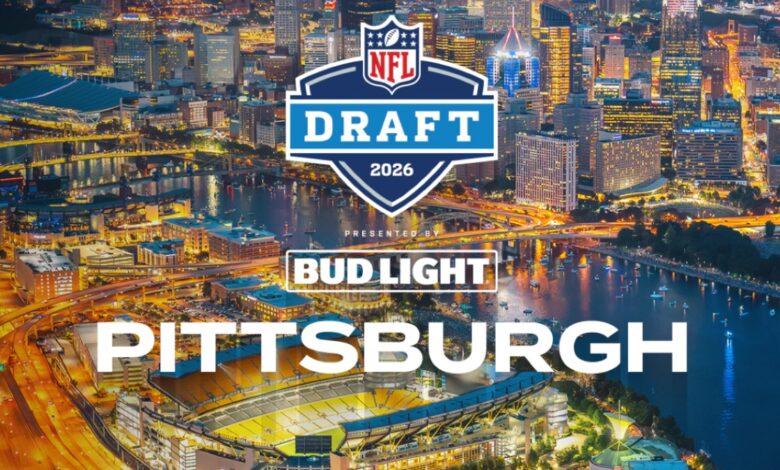
The NFL Draft has evolved into one of the league’s most significant annual events, rivaling major games in viewership, media coverage, and economic impact. Each year, the announcement of the NFL Draft location sparks widespread interest among fans, city officials, and the broader sports industry. As attention turns toward the 2026 NFL Draft location, speculation and analysis are already shaping conversations about where the league might take this marquee event and what that choice will represent for the future of the NFL.
The Growing Importance of the NFL Draft Location
In the past, the NFL Draft was a relatively contained, indoor event primarily attended by team personnel and media members. Over the last decade, however, it has transformed into a multi-day outdoor festival attracting hundreds of thousands of fans. Because of this shift, the draft location has become a strategic decision for the league.
Choosing a host city for the 2026 NFL Draft is no longer just about logistics. It is about market expansion, fan engagement, tourism, and the NFL’s long-term vision. The host city becomes a temporary hub of football culture, national media attention, and economic activity.
Recent NFL Draft Locations and Emerging Patterns
To better understand the potential 2026 NFL Draft location, it is important to look at recent trends. The NFL has increasingly rotated the draft among major cities with strong infrastructure, iconic landmarks, and a proven ability to host large-scale events. Cities such as Nashville, Cleveland, Las Vegas, Kansas City, and Detroit have all hosted drafts in recent years, each offering a unique backdrop and local flavor.
These selections suggest that the NFL values cities that can combine football passion with tourism appeal. The league has also shown interest in spreading the draft across different regions, ensuring national representation and avoiding repetition in a short time span.
Criteria Used to Select the 2026 NFL Draft Location
The NFL uses a detailed evaluation process when selecting a draft host city. Several core criteria play a role in determining the 2026 NFL Draft location.
One of the most important factors is infrastructure. The host city must have sufficient hotel capacity, transportation systems, and public spaces to accommodate large crowds. Outdoor venues such as downtown districts, waterfronts, or stadium-adjacent areas are particularly attractive.
Security and logistics are equally critical. The draft is a high-profile event requiring coordination between local law enforcement, federal agencies, and private security firms. Cities with experience hosting Super Bowls, major concerts, or political conventions often have an advantage.
Finally, market value matters. The NFL considers how a draft location can strengthen its presence in a particular region, attract new fans, and enhance the league’s brand.
Potential Cities for the 2026 NFL Draft
While the NFL has not officially announced the 2026 NFL Draft location, several cities are frequently mentioned in industry discussions. Markets with new or renovated stadiums, revitalized downtown areas, or a strong football identity are often viewed as strong candidates.
International expansion has also entered the conversation. Although the draft has traditionally been held in the United States, the NFL’s growing global ambitions raise questions about whether future drafts could involve international elements or partnerships, even if the main event remains domestic.
Cities that have successfully hosted large-scale NFL events in recent years are likely to be considered seriously. At the same time, the league may look for an opportunity to bring the draft to a new market that has not previously hosted the event.
Economic Impact of Hosting the NFL Draft
One of the strongest arguments for hosting the 2026 NFL Draft is its economic impact. Host cities often report tens of millions of dollars in direct and indirect revenue. Hotels, restaurants, transportation services, and local businesses all benefit from the influx of visitors.
Beyond immediate financial gains, hosting the draft offers long-term promotional value. The event showcases the city on a national and international stage, highlighting its skyline, culture, and amenities. For many cities, the draft serves as a marketing opportunity that extends well beyond the three-day event.
Fan Experience and Community Engagement
The modern NFL Draft is designed as a fan-first experience. Interactive exhibits, team-themed zones, autograph sessions, and live entertainment turn the event into a football festival. The 2026 NFL Draft location will be expected to support this immersive experience.
Community engagement is another key element. The NFL often pairs the draft with youth programs, charitable initiatives, and local partnerships. These efforts help build goodwill and leave a lasting impact in the host city. The ability to support such initiatives will be an important consideration in selecting the 2026 host.
Media Coverage and Broadcast Considerations
From a broadcast perspective, the draft location plays a major role in visual storytelling. Iconic backdrops, recognizable landmarks, and scenic views enhance the television presentation and digital content shared across platforms.
The NFL Draft consistently draws millions of viewers across multiple days. For the 2026 NFL Draft location, the league will prioritize settings that enhance production quality and allow for dynamic camera angles, crowd shots, and on-site reporting.
Strategic Timing and Long-Term Planning
The NFL plans draft locations years in advance to ensure smooth execution. Announcing the 2026 NFL Draft location early allows host cities to prepare infrastructure, coordinate with stakeholders, and develop marketing strategies.
This long-term planning also reflects the league’s broader goals. The draft location is often aligned with other NFL initiatives, such as international games, youth outreach programs, or market expansion strategies. The 2026 selection will likely support these broader objectives.
Challenges Facing the 2026 NFL Draft Location
Hosting the NFL Draft also presents challenges. Managing large crowds, ensuring public safety, and minimizing disruptions to daily life are significant responsibilities for any city. Weather considerations can also play a role, as many drafts are held outdoors.
The NFL must weigh these risks carefully when choosing the 2026 NFL Draft location. Cities that demonstrate flexibility, preparedness, and strong collaboration with the league will stand out in the selection process.
The Broader Significance of the 2026 NFL Draft Location
The announcement of the 2026 NFL Draft location will represent more than just a destination. It will signal the NFL’s priorities in terms of fan engagement, market growth, and brand positioning. Each host city adds a new chapter to the draft’s history, shaping how the event is remembered.
For fans, the location influences accessibility, atmosphere, and overall excitement. For the league, it is a chance to innovate and elevate the draft experience even further.
Conclusion
As anticipation builds, the 2026 NFL Draft location remains a topic of strong interest and speculation. With the draft now established as a premier sports and entertainment event, the choice of host city carries significant cultural, economic, and strategic weight.
Whether the NFL selects a familiar market or introduces a new destination, the 2026 NFL Draft is poised to continue the evolution of one of football’s most important traditions. The final decision will reflect the league’s vision for the future and its commitment to delivering unforgettable experiences for fans, players, and communities alike.



4 Comments