MLB Postseason Schedule: A Complete Breakdown of Baseball’s Road to the World Series
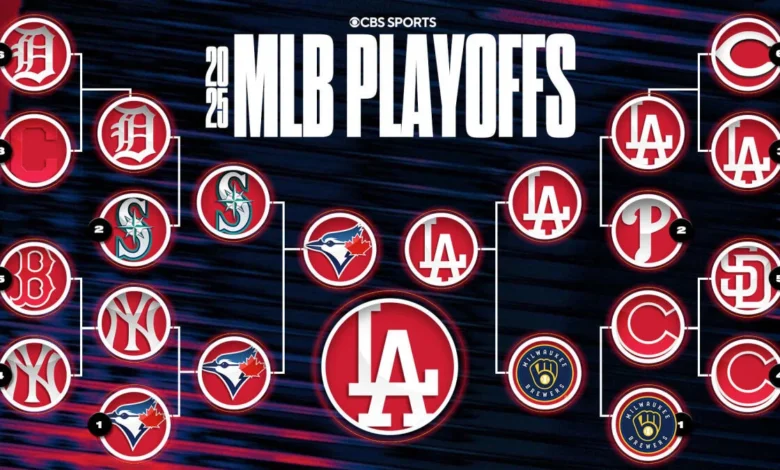
The MLB postseason schedule is the framework that defines the most exciting phase of Major League Baseball. After a long 162-game regular season, only the best teams earn the right to compete in October. The postseason schedule not only determines when games are played, but also shapes strategy, momentum, and endurance. For fans, analysts, and players alike, understanding the MLB postseason schedule is essential to appreciating how championships are truly won.
Structure of the MLB Postseason
The MLB postseason consists of twelve teams, six from the American League and six from the National League. These teams qualify by winning their respective divisions or securing one of the Wild Card spots based on regular-season records. The postseason is divided into four main rounds: the Wild Card Series, the Division Series, the League Championship Series, and the World Series.
Each round has a specific place in the overall schedule, designed to reward regular-season excellence while maintaining competitive intensity. Shorter series early on create urgency, while longer series later allow depth and consistency to play a larger role.
Wild Card Series Schedule and Format
The MLB postseason schedule begins with the Wild Card Series. This opening round features teams that did not earn a top division seed. The Wild Card Series is played in a best-of-three format, usually over a span of three days with minimal rest.
All games in this round are hosted by the higher-seeded team, which reduces travel and rewards stronger regular-season performance. Because of the short series length, teams often rely heavily on their best pitchers, knowing that one loss can place their season in jeopardy. The compact schedule creates immediate pressure and sets the tone for the rest of the postseason.
Division Series Timeline and Importance
After the Wild Card Series concludes, the MLB postseason schedule moves into the Division Series. This round features eight teams and is played as a best-of-five series. The Division Series usually spans about five to seven days, including travel days.
The schedule allows teams to rotate starting pitchers more strategically, but the limited number of games still demands precision. Mistakes are magnified, and momentum can shift quickly. Historically, the Division Series has produced dramatic upsets, as teams entering from the Wild Card round often carry competitive rhythm against division winners coming off rest.
League Championship Series Scheduling
The League Championship Series, commonly known as the ALCS and NLCS, represents the final step before the World Series. This stage of the MLB postseason schedule is a best-of-seven format, giving teams more room to demonstrate depth, adaptability, and resilience.
The League Championship Series typically lasts up to ten days, depending on travel and the number of games played. This extended schedule allows managers to use their full pitching staffs, including starters, relievers, and bullpen specialists. It is also the round where star players often define their postseason legacy, as consistent performance over a longer series becomes crucial.
World Series Schedule and Significance
The World Series is the centerpiece of the MLB postseason schedule. It features the champions of the American League and National League competing in a best-of-seven series to determine the league champion of baseball.
Home-field advantage is awarded to the team with the better regular-season record, reinforcing the value of long-term consistency. The World Series schedule typically includes travel days between cities, allowing teams time to rest and reset. These breaks can influence pitching rotations and lineup decisions, making scheduling a strategic factor as much as a logistical one.
Role of Rest Days in the Postseason
Rest days are a critical element of the MLB postseason schedule. They are primarily built in for travel, but they also impact competitive balance. Extra rest can benefit teams with elite starting pitchers, allowing aces to appear more frequently in a series.
However, rest can also disrupt momentum, particularly for teams that thrive on continuous play. Managers must carefully balance recovery with rhythm, deciding when to push players and when to take advantage of scheduled breaks. These decisions often influence the outcome of close series.
Television and Broadcast Influence on Scheduling
Television considerations play a significant role in shaping the MLB postseason schedule. Game times are selected to maximize national and international viewership, often resulting in prime-time matchups or afternoon games on weekdays.
While broadcasting needs can lead to overlapping games or unusual start times, they also help expand the sport’s audience. The postseason schedule reflects a balance between competitive fairness and commercial visibility, ensuring that the biggest moments reach as many fans as possible.
Weather Factors and Schedule Adjustments
October baseball brings the possibility of unpredictable weather, especially in colder regions. Rain delays, cold temperatures, and even snow in rare cases can affect the MLB postseason schedule.
When weather issues arise, games may be postponed or rescheduled, sometimes compressing future matchups. Teams must adapt quickly, adjusting pitching plans and travel arrangements. These challenges add an additional layer of complexity and unpredictability to postseason play.
Why the MLB Postseason Schedule Matters
The MLB postseason schedule is more than a sequence of dates. It influences strategy, player usage, and fan engagement. Teams must navigate the schedule wisely, balancing rest, preparation, and performance under pressure.
For fans, the schedule dictates anticipation and emotional investment. Each round feels progressively more important, building toward the World Series. Understanding how the schedule works enhances appreciation for the endurance and skill required to succeed in October baseball.
Conclusion
The MLB postseason schedule is carefully designed to showcase the highest level of professional baseball. From the intensity of the Wild Card Series to the grandeur of the World Series, each stage tests teams in different ways. By understanding the structure, timing, and strategic implications of the schedule, fans gain a deeper insight into why winning a championship in Major League Baseball is one of the toughest achievements in sports.